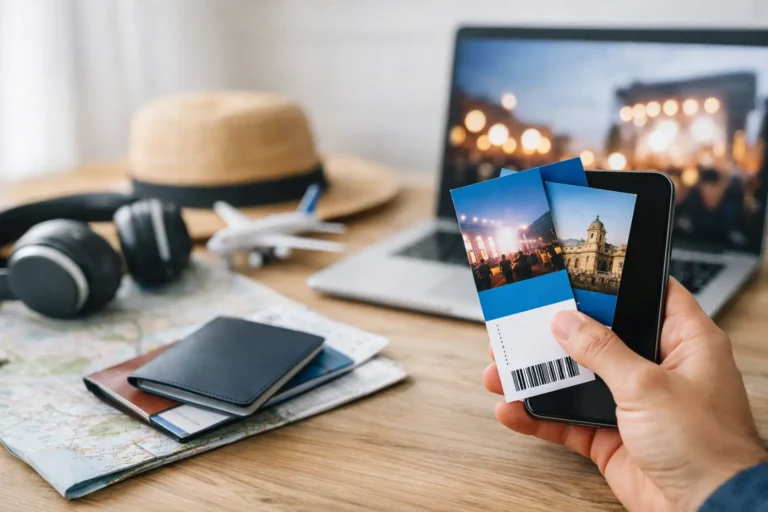

How to Buy Concert Sports Show Tickets
The difference between a great trip and an overpriced one often comes down to the extras you book after the flight. Concert sports show tickets can be the highlight of a weekend away, but they can also be where travel budgets quietly fall apart. A low fare to Las Vegas, New York, or Miami does not feel like a bargain if the event you planned around ends up costing far more than expected once fees, timing, and seat choices are added.
That is why event planning works best when you treat tickets like any other part of your trip. Compare first. Check the full price, not just the headline number. Make sure the location fits your hotel and transportation plans. A cheap seat across town on the same night as a sold-out game may not be a good deal if you end up paying surge pricing for a ride there and back.
Why concert sports show tickets need a travel-first approach
A lot of travelers still book events as an afterthought. They lock in flights and hotels, then look for things to do a few days before departure. Sometimes that works. Often it means paying more, settling for worse seats, or missing out entirely.
The smarter move is to plan your event the same way you plan airfare and lodging. If you are flying to a city for a concert, a playoff game, or a major theater production, that event is not just an activity. It shapes your whole itinerary. It affects where you stay, when you arrive, how late you will be out, and how much flexibility you need in the rest of your schedule.
This is especially true for short trips. On a two-night city break, one event can be the centerpiece of the entire visit. If the ticket is wrong for your budget or your location, the rest of the trip gets harder to manage.
How to compare concert sports show tickets without overpaying
Price matters, but so does context. The cheapest ticket on the screen is not always the best value. Before you book, compare the total cost, the seat quality, and the practical details around the event.
Start with the full checkout price. Service fees, delivery charges, and last-step add-ons can change the deal fast. A ticket that looks affordable at first may end up costing more than a better seat listed elsewhere. If a platform shows clear pricing early, that is a real advantage because it saves time and helps you make cleaner comparisons.
Then look at the seat itself. For concerts, this can be the difference between a memorable night and a frustrating one. A side-stage or obstructed-view seat may be fine if the discount is significant. If the price gap is small, paying a little more for a better angle usually makes sense. For sports, the trade-off is different. Upper-level seats can still be excellent in some arenas, while lower bowl seats may be worth the premium for high-energy games. For live shows and theater, sightlines matter more than many travelers expect, especially in older venues.
Timing also changes value. A Friday night event in a major city will usually cost more than a weekday option, but it may align better with your travel schedule. If attending the event means adding an extra hotel night or taking a pricier flight, the ticket is only part of the total spend. That is where a comparison mindset helps. You are not just comparing tickets. You are comparing the full trip.
When to book and when waiting makes sense
There is no single best time to buy, because demand moves differently across concerts, sports events, and shows. That said, there are patterns.
For major concerts, high-profile tours, and limited-run shows, earlier is usually safer. Popular dates in destination cities can sell out quickly, and prices often rise once the best inventory is gone. If your trip depends on attending that event, waiting can be risky.
Sports tickets can be more flexible. Regular-season games often have more inventory, and prices may shift closer to the date based on team performance, weather, and local demand. If your plans are flexible and the event is not the sole reason for travel, you may find better value by monitoring prices instead of booking immediately.
Shows fall somewhere in the middle. Long-running productions may offer broader availability, while special performances and holiday dates tend to move faster. If you are traveling with kids or coordinating a couple’s getaway around a specific evening, earlier booking gives you more control over both budget and schedule.
The trade-off is simple. Booking early gives you choice. Waiting can sometimes give you price opportunities. Which matters more depends on how central the event is to your trip.
Choosing seats that fit your trip, not just your wishlist
It is easy to overspend on premium seating when you are excited about an event, especially if it is a once-a-year trip. But the best seat is not always the most expensive one. It is the one that fits your priorities.
If the event is the main reason you are traveling, spending more can be worth it. A front-facing concert seat, a better theater section, or a strong view for a rivalry game may deliver the experience you wanted from the start. If the event is just one part of a bigger vacation, a more moderate seat can protect your budget for dining, transportation, and other activities.
Comfort matters too. Families may prefer sections with easier access and less crowd pressure. Couples on a quick city break may care more about atmosphere than perfect proximity. Solo travelers often have more flexibility and can take advantage of single-seat availability that groups cannot use.
There is also a practical side. Late-night events may make distant seating or hard-to-reach venues less appealing if you are relying on taxis or public transportation after the crowd leaves. A slightly higher ticket price at a better-located venue can save money and stress later.
Red flags to watch before you book
Not every ticket deal is a good one. Some are simply priced to attract clicks before the real cost appears. Others create problems that do not show up until event day.
Watch for vague seat descriptions, delayed delivery terms, and prices that seem far below the market without a clear reason. If the listing does not make the section or view clear, assume there is a downside. If transfer timing is tight, that can be a problem for travelers who may be in transit, dealing with flight delays, or crossing time zones.
Refund terms deserve attention too. Some tickets are final sale, which may be fine for locals with fixed plans. Travelers face more moving parts. Flights change, weather disrupts schedules, and family plans shift. If flexibility matters, it is worth prioritizing options with clearer policies even if the initial price is slightly higher.
Build the event into the rest of your trip
Once your tickets are booked, the next smart step is simple: shape the rest of your plans around them. Choose a hotel with a realistic route to the venue. Check event start and end times against your arrival, dinner plans, and return transportation. If the venue is in a busy part of town, give yourself more buffer than you think you need.
This is where a broader travel platform becomes useful. Booking flights, hotels, transfers, activities, and event add-ons in one planning flow can cut down on the friction that usually comes from juggling separate sites. For travelers who want convenience and price visibility, that kind of setup makes the whole trip easier to manage.
AiTourScan fits naturally into that approach because the goal is not just finding one cheap booking. It is building a trip that works together. A good ticket at the wrong time or in the wrong location can still create stress. A well-matched itinerary saves more than money. It saves effort.
Concert sports show tickets are worth planning right
The best event nights feel easy once they start. You get to your seat on time, the price feels fair, and the logistics stay out of the way. That usually does not happen by accident. It comes from comparing carefully, understanding the trade-offs, and booking with the whole trip in mind.
If you treat concert sports show tickets like part of your travel strategy instead of a last-minute extra, you give yourself a better shot at the experience you actually want. Book smarter, keep the full trip cost in view, and let the event be the part you remember for the right reasons.