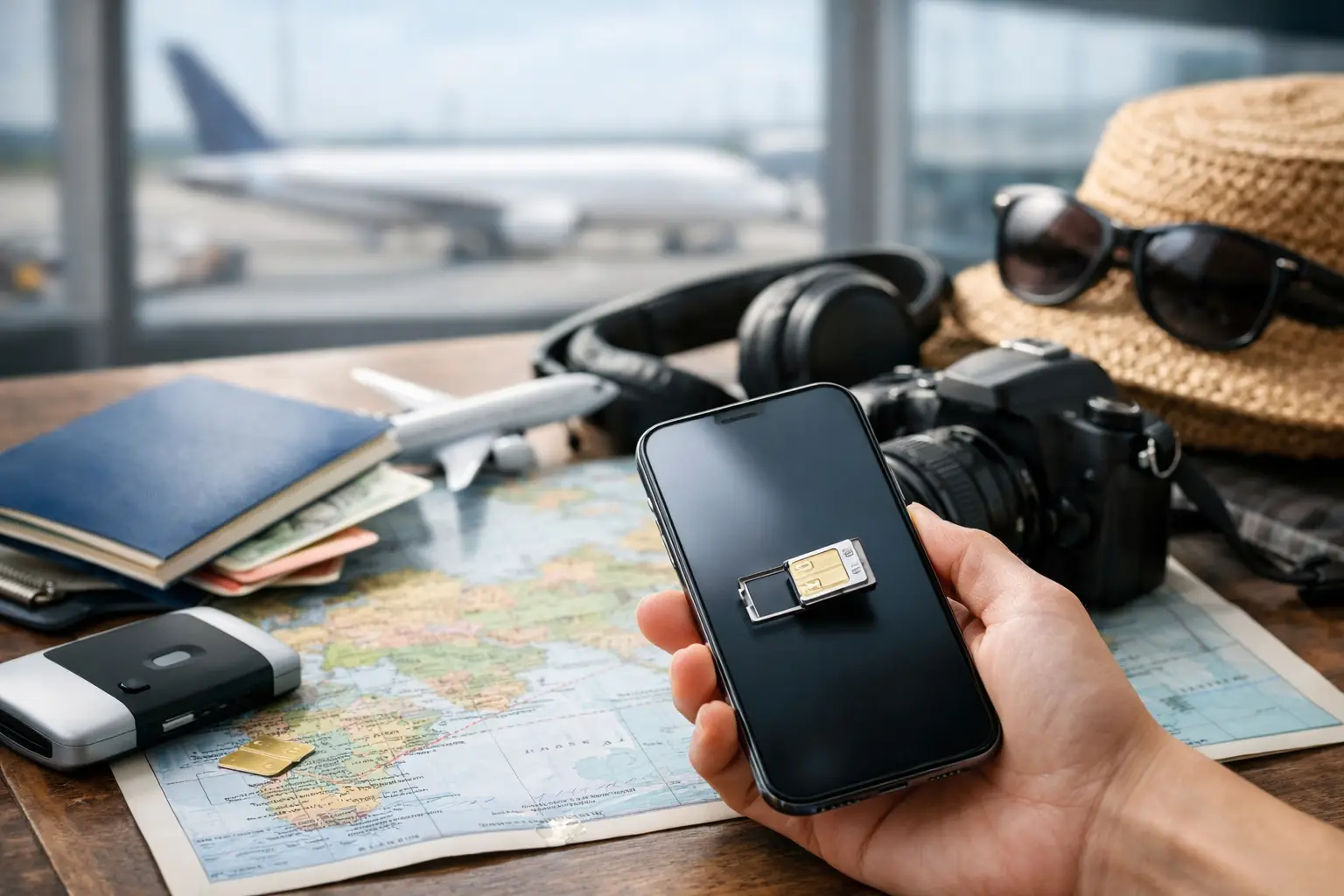
Best Travel SIM Card for International Trips
You usually notice your phone plan is a problem right after landing – when your maps stall, your rideshare app will not load, and your carrier texts a roaming warning that feels more expensive than your flight. Finding the best travel sim card before you leave is one of the easiest ways to cut stress and avoid surprise charges.
The right choice depends on where you are going, how long you will be away, and how much data you actually use. A weekend in Toronto, a two-week Europe trip, and a month of hopping between Asian cities do not need the same setup. The smartest move is not picking the most advertised option. It is picking the one that fits your trip.
What makes the best travel SIM card?
Price matters, but it is not the whole story. A cheap SIM with weak coverage or a tiny high-speed data cap can turn into a bad deal fast. For most travelers, the best travel SIM card balances four things well: reliable network coverage, enough data for normal daily use, simple activation, and clear pricing.
Coverage should come first. If your SIM runs on a strong local network, everything else gets easier – navigation, translation, messaging, banking, and mobile boarding passes. If coverage is weak outside major cities, even a low price can feel costly.
Data allowance is next. Many travelers overestimate how much they need, especially if hotel and airport Wi-Fi cover part of the trip. But some underestimate how much maps, video calls, social media, and cloud backups can use. For a lighter traveler who mainly uses messaging, maps, and email, a few gigabytes may be enough for a week. For heavy use, unlimited plans can make more sense, though “unlimited” often means reduced speeds after a certain point.
Activation is where travel SIM cards often separate the good from the frustrating. The easiest options work the moment you land or can be installed before departure. If you have to hunt for a kiosk, swap physical cards in a crowded airport, or troubleshoot APN settings after a long flight, the savings may not feel worth it.
Then there is transparency. Good travel SIM options make it clear what countries are included, how long the plan lasts, whether hotspot use is allowed, and what happens after the data cap. If those details are hard to find, that is usually a warning sign.
Physical SIM vs eSIM
For many US travelers, this is the first real decision.
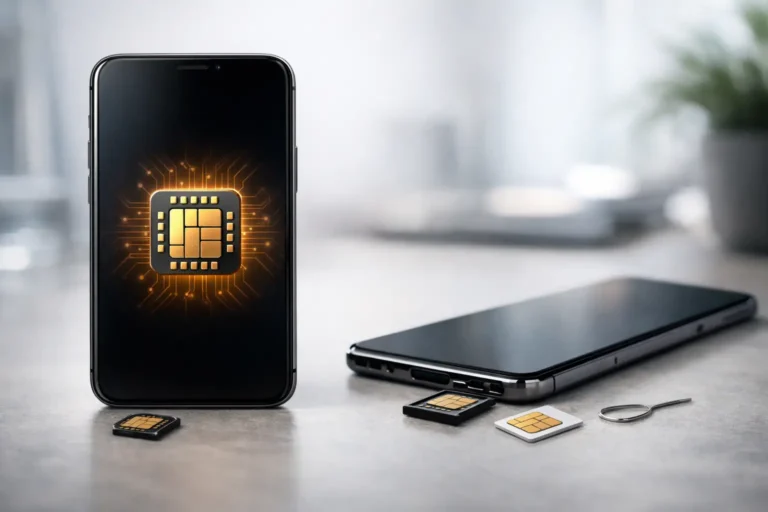
A physical SIM is still a good choice if your phone is older, carrier-locked, or not eSIM compatible. It is simple, familiar, and often sold at airports, convenience stores, and mobile shops in popular destinations. In some countries, local prepaid physical SIMs offer excellent value, especially for longer stays.
An eSIM is usually the more convenient option if your phone supports it. You can buy it before your trip, install it in minutes, and switch plans without handling a tiny plastic card. That is a big win when you are landing late, making a connection, or heading straight to a hotel or train.
The trade-off is that eSIM pricing is not always cheaper than buying local. Global eSIM plans are designed for convenience, and convenience sometimes costs a little more. Still, for many travelers, paying a bit extra to avoid roaming charges, airport lines, and setup hassle is an easy choice.
The best travel SIM card for different types of trips
There is no single winner for every traveler. The best fit changes with the trip.
For short city breaks
If you are traveling for three to five days, convenience matters more than squeezing out the absolute lowest price. A regional eSIM or short-term prepaid SIM with enough data for maps, messages, and bookings is often the best value. You want fast setup, predictable pricing, and no time wasted comparing ten nearly identical plans.
This is especially true for trips where your phone is part of the itinerary. If you are using mobile boarding passes, booking trains, checking museum tickets, and getting around with maps, reliability beats bargain hunting.
For multi-country travel
If your trip includes several countries, avoid country-specific SIMs unless the savings are significant. Regional or global plans are usually worth it because they remove the need to switch providers every few days. Europe is the easiest example, where regional plans can work smoothly across multiple borders.
The key is checking whether all your destinations are included. “Europe” sounds broad, but not every plan covers every country in the region. The same goes for global plans. Always confirm the exact list before buying.
For long stays
If you are staying for several weeks or more in one country, a local SIM often gives you the best price per gigabyte. It may take a little more effort to set up, and some countries require ID registration, but the savings can be worth it.
This works well for remote workers, extended vacationers, and anyone renting an apartment rather than moving between hotels every few nights. In that situation, lower monthly cost and stronger local network access matter more than instant setup.
For families and couples
One “best” plan is not always best for everyone in the group. Some travelers need constant data, while others mostly use hotel Wi-Fi. Sometimes one larger plan with hotspot access is enough for two people. Sometimes separate lower-cost plans work better.
If you are traveling with family, look closely at hotspot rules. A plan that allows tethering can save money and reduce setup time across multiple devices.
How to avoid overpaying
The easiest way to overpay is to buy based on fear. Travelers often choose the largest plan because they worry about losing access. In reality, many trips need less data than expected, especially if you download maps offline, use hotel Wi-Fi for streaming, and turn off automatic app updates.
Another common mistake is relying on your home carrier’s international day pass without doing the math. For a very short trip, it may be fine. For a week or two, prepaid travel SIMs and eSIMs are often much cheaper.
Airport kiosks are another mixed bag. Some are fair and convenient. Others charge a premium because they know you want an instant fix. If you are set on buying after arrival, compare options before the trip so you know what a reasonable price looks like.
Features that matter more than travelers think
Phone calls and texts matter less than they used to because most people can manage with messaging apps over data. But there are exceptions. If you need local reservations, business calls, or two-factor authentication that depends on SMS, check whether your plan includes a local number or supports standard texting.
Hotspot access is another detail people forget until they need it. If you plan to work remotely, connect a tablet, or share data with a travel partner, make sure tethering is included.
Validity period matters too. Some plans last by calendar days, not 24-hour periods. That means activation timing can affect value. If your flight lands late at night, activating immediately could waste part of a day.
Customer support is easy to ignore until something goes wrong. Clear setup instructions and responsive support matter more when you are tired, in transit, and trying to get online quickly.
A practical way to choose the best travel SIM card
Start with your phone. Make sure it is unlocked and check whether it supports eSIM. Then look at your itinerary. One country, several countries, or a longer stay will point you in different directions.
After that, estimate your data use honestly. Light users can often save with smaller plans. Heavy users should look beyond the headline and read the fine print on throttling, hotspot limits, and plan duration.
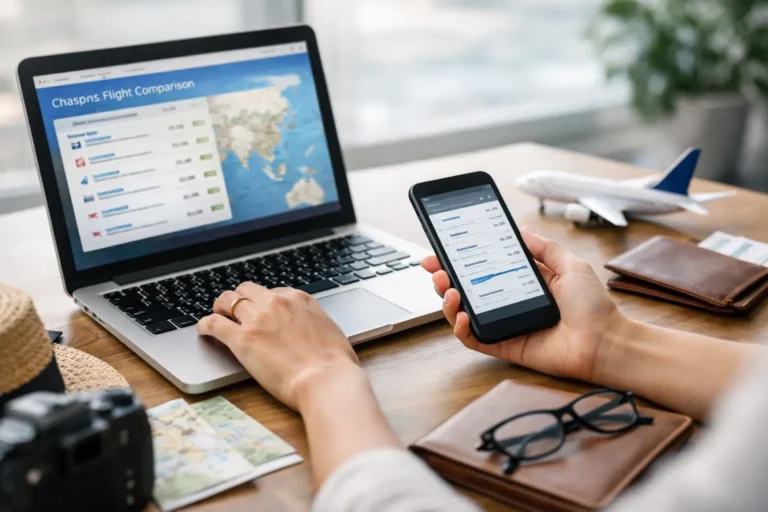
Finally, compare total value, not just sticker price. A slightly more expensive option may still be the better buy if it has broader coverage, easier activation, and fewer restrictions. That is the kind of comparison that saves money and stress at the same time. If you already use a trip-planning platform like AiTourScan to compare travel essentials, applying that same compare-first mindset to connectivity makes the whole trip run smoother.
When the best option is not a travel SIM
Sometimes a travel SIM is not the best answer. If your home carrier includes solid roaming in Canada or Mexico, switching may not be necessary. If you are on a business trip with expenses covered, convenience may matter more than finding the cheapest prepaid option.
And if your phone is locked, a travel SIM may not work at all until you sort that out. In that case, your best backup may be a roaming pass, pocket Wi-Fi, or arranging connectivity through your current provider.
The best travel SIM card is the one that matches your trip without adding friction. Pick for coverage first, convenience second, and price third. Save the stress for deciding what to eat after you land.