eSIM vs Physical SIM: Which Is Better?
You land after a long flight, switch off airplane mode, and realize your phone still has no data. That is when the esim vs physical sim decision stops being technical and starts affecting your trip in real time. If you want faster setup, fewer airport hassles, and better control over roaming costs, the right choice matters before you leave home.
eSIM vs physical SIM for travelers
For most travelers, eSIM is the more convenient option. You can usually buy a plan online, activate it in minutes, and arrive with data ready to go. A physical SIM still makes sense in some cases, especially if your phone does not support eSIM, if you want a local number from a shop, or if you are traveling somewhere with limited digital activation options.
The short version is simple. eSIM usually wins on speed and flexibility. Physical SIM still wins on universal compatibility and can sometimes be easier if you prefer in-person setup.
What is the real difference?
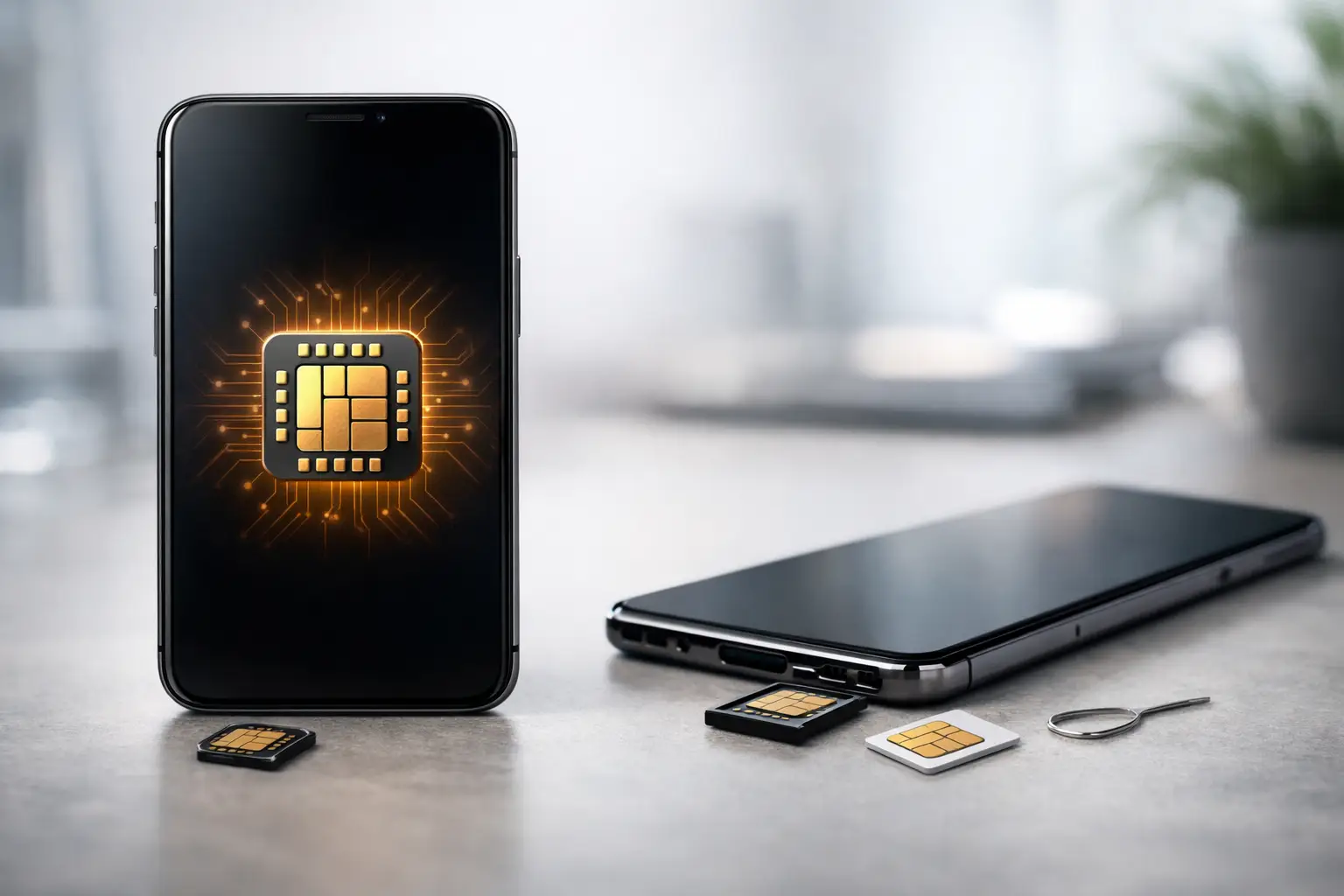
A physical SIM is the small plastic card you insert into your phone. It stores subscriber information and connects your device to a mobile network. If you want to switch carriers, you remove one SIM and insert another.
An eSIM does the same basic job, but it is built into the phone. Instead of swapping cards, you download a carrier profile. That means no tiny tray, no paper packaging, and no risk of dropping your main SIM on an airport floor five minutes before boarding.
For travelers, that difference changes the whole experience. One option requires handling hardware. The other is mostly digital.
Why eSIM is often better for international trips
The biggest advantage of eSIM is convenience. You can compare plans before departure, buy one from home, and often activate it by scanning a QR code or following app-based instructions. That saves time and reduces the usual scramble to find a mobile kiosk after landing.
It is also easier to keep your primary number active. Many phones let you use your regular line for calls or texts while using the eSIM for data. That is useful for two-factor authentication, banking alerts, or messages from airlines and hotels.
There is also more flexibility if your plans change. If you are visiting multiple countries, some eSIM plans cover regions rather than just one destination. You can move between countries without hunting for a new card each time.
For budget-focused travelers, that matters. Better comparison usually leads to better value.
Faster setup, less travel friction
Physical SIMs are not hard to use, but they do add steps. You need to buy the card, remove your current SIM or use a second slot, insert the new one correctly, and sometimes adjust APN settings. None of this is impossible. It is just extra work when you would rather be heading to your hotel.
With eSIM, setup is often done before takeoff. That means one less thing to solve when you arrive tired, jet-lagged, or in a language you do not speak.
Better for dual SIM use
If your phone supports it, eSIM makes dual SIM travel simpler. You can keep your US number active and add a travel data plan without physically replacing anything. For people who need to stay reachable for work, family, or booking alerts, that is a major plus.
Where physical SIM still has an edge
Physical SIM is not outdated. It is still the safer choice in several situations.
First, device compatibility is wider. Not every phone supports eSIM, especially older devices, lower-cost models, or phones locked to a carrier. If your phone does not support eSIM, the decision is made for you.
Second, physical SIMs can be easier in destinations where local carriers still rely on retail stores for tourist plans. In some countries, the best prepaid deals are sold over the counter and may include local calling benefits that digital travel eSIM plans do not match.
Third, some travelers simply prefer a tangible backup. If something goes wrong, walking into a store and getting a replacement card can feel more straightforward than troubleshooting a digital profile.
Good fit for longer stays or local-number needs
If you are staying for weeks or months, a local physical SIM may offer better long-term pricing. It can also be the better choice if you need a local phone number for deliveries, reservations, or regional apps that work best with domestic service.
That said, this depends on the country. In some places, eSIM plans are competitive. In others, local prepaid SIMs still offer more value.
Cost: which one is cheaper?
This is where it depends.
eSIM plans can save money because they are easy to compare before you travel. You can shop based on data amount, trip length, and coverage area instead of buying the first option you see at the airport. That visibility helps avoid overpriced roaming and rushed purchases.
Physical SIMs can be cheaper if you buy directly from a local carrier in the destination, especially for longer trips. But there are trade-offs. You may need to visit a store, show ID, wait in line, or decode plan details on the spot.
For short vacations, city breaks, and multi-country trips, eSIM often comes out ahead on overall value because it saves time and reduces friction. For longer stays in one country, physical SIM may offer lower cost per gigabyte.
Coverage and reliability
Coverage depends less on whether you choose eSIM or physical SIM and more on which network the plan uses. An eSIM on a strong local network will usually perform just as well as a physical SIM on that same network.
The real question is plan quality. Some travel eSIMs use premium local networks. Others may route through partner agreements that are good but not top-tier. The same is true for prepaid physical SIM plans. Before choosing, look at coverage area, data limits, hotspot rules, and whether speeds are reduced after a certain amount of usage.
Travelers sometimes assume physical SIM automatically means better service. That is not always true. Network partner and plan terms matter more than the format.
Security and risk
eSIM has a practical security benefit for travelers. Because it is embedded in the device, it cannot be physically removed if your phone is lost or stolen. That can make it harder for someone to tamper with your mobile line immediately.
Physical SIM has more physical risk. It can be removed, lost, or damaged. Anyone who has swapped SIM cards at a boarding gate with a paperclip already knows how easy it is to misplace one.
Still, eSIM is not automatically problem-free. If you switch phones frequently or reset your device without preparation, transferring an eSIM can be more complicated than moving a physical card. For some users, that is a small annoyance. For others, especially less tech-comfortable travelers, it is a real drawback.
How to choose the right option for your trip
If your trip is short, your phone supports eSIM, and you want data ready the moment you land, eSIM is usually the smart pick. It is fast, flexible, and well suited to modern travel.
If your phone is older, your device is carrier-locked, or you want the lowest possible local prepaid rate for an extended stay, physical SIM may be the better fit. It is also a practical fallback when you prefer face-to-face setup.
Think about four things before you choose: your phone compatibility, how long you are staying, whether you need your main number active, and how much setup hassle you are willing to deal with. Those factors matter more than the trendiness of the technology.
A simple traveler verdict on eSIM vs physical SIM
For most US travelers taking vacations, international city breaks, or multi-stop trips, eSIM is the easier and more flexible option. It cuts down arrival stress, keeps trip planning simple, and makes it easier to compare data plans ahead of time. That lines up well with how people already book flights, hotels, and other travel extras – quickly, clearly, and with price in mind.
Physical SIM still has a place. It works well for older phones, long stays, and travelers who want a local in-store option. But if your goal is to save time and avoid one more airport errand, eSIM usually fits the way people want to travel now.
The best choice is the one that works before your wheels touch the runway. A little planning here can save money, prevent stress, and make the first hour of your trip feel a lot smoother.